

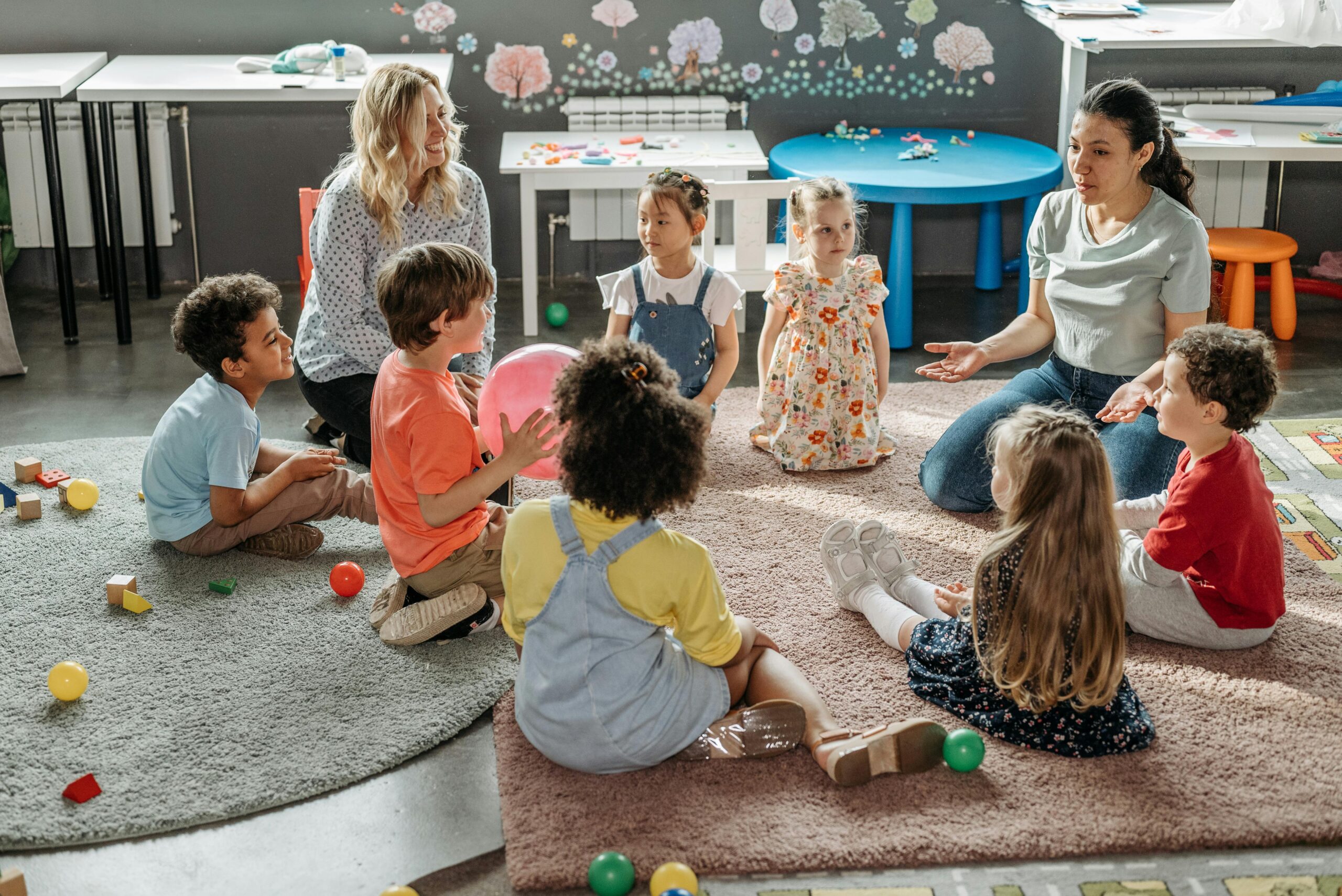
Nursery safety standards London play a vital role in protecting young children during their most formative years. From safeguarding EYFS responsibilities to robust hygiene policy nursery procedures, safety and cleanliness are the foundation of high-quality early years care. At Goslings Nursery, child wellbeing is embedded into every daily routine, environment, and interaction.
Parents trust nurseries with what matters most, their children. Therefore, early years settings must consistently meet strict safety, hygiene, and safeguarding expectations. This guide explains how professional nurseries maintain high standards, why these practices matter, and how Goslings Nursery prioritises cleanliness, security, and care across all its settings.
Why Safety and Hygiene Are Essential in Early Years Settings
Children under five are naturally curious, active, and still developing their immune systems. As a result, early years environments must be carefully designed to minimise risks while encouraging exploration and learning.
Strong child safety practices help to:
- Prevent accidents and injuries
- Reduce the spread of illness and infection
- Promote emotional security and confidence
- Build trust with parents and carers
- Support healthy child development
In London, early years providers must also meet local authority requirements and Ofsted expectations, making compliance with nursery safety standards London a legal and ethical priority.
Understanding Nursery Safety Standards in London
Nursery safety standards London are shaped by several key frameworks, including:
- The Early Years Foundation Stage (EYFS)
- Ofsted inspection requirements
- Local safeguarding partnerships
- Health and safety legislation
These standards ensure nurseries provide safe premises, trained staff, secure access, and effective safeguarding policies.
At Goslings Nursery, safety is approached proactively. Clear procedures are in place to identify risks early, respond appropriately, and continuously improve standards across classrooms, outdoor areas, and shared spaces.
Safeguarding EYFS: Protecting Children at Every Level
Safeguarding EYFS is central to maintaining high nursery safety standards London and ensuring every child is protected from harm. Clear procedures, trained staff, and secure environments work together to support children’s physical and emotional wellbeing.
What Is Safeguarding in Early Years?
Safeguarding EYFS refers to the measures nurseries take to protect children from harm, abuse, neglect, or unsafe environments. It goes beyond physical safety and includes emotional wellbeing, supervision, and child protection awareness.
Key Safeguarding Practices in Nurseries
Effective safeguarding EYFS frameworks include:
- Designated safeguarding leads
- Clear reporting procedures
- Staff training and awareness
- Secure entry and exit systems
- Supervised handovers at drop-off and pick-up
At Goslings Nursery, safeguarding is embedded into daily practice. Staff remain vigilant, approachable, and trained to respond swiftly to any concerns.
You can learn more about Goslings’ approach to safeguarding and protection by visiting their child safety and security page, which outlines how safety procedures are implemented consistently across the nursery.
The Importance of a Strong Hygiene Policy Nursery Framework
A well-structured hygiene policy nursery helps reduce illness and supports a healthy learning environment for young children. Consistent cleaning routines and hygiene education reinforce Goslings cleanliness across all nursery areas.
Why Hygiene Matters in Early Years
Young children are more vulnerable to infections due to developing immune systems and frequent close contact with others. Therefore, a clear hygiene policy nursery structure is essential to protect children, staff, and families.
Proper hygiene practices reduce:
- The spread of colds and viruses
- Gastrointestinal illnesses
- Skin infections
- Cross-contamination between surfaces and toys
Key Components of a Nursery Hygiene Policy
A professional hygiene policy nursery typically includes:
- Daily cleaning schedules
- Regular toy and equipment sanitisation
- Handwashing routines for children and staff
- Safe food preparation practices
- Nappy changing and toileting procedures
At Goslings Nursery, Goslings cleanliness standards are maintained through structured routines that ensure every area remains clean, hygienic, and welcoming throughout the day.
Daily Cleaning and Infection Control Practices
Maintaining high levels of cleanliness requires consistency and attention to detail. Nurseries that meet nursery safety standards London follow strict daily routines to control infection risks.
Routine Cleaning Measures Include:
- Disinfecting high-touch surfaces
- Cleaning tables before and after activities
- Washing toys and soft furnishings regularly
- Safe disposal of waste and nappies
- Ventilating rooms to maintain air quality
These measures support a healthier environment while reinforcing positive hygiene habits among children from an early age.
Promoting Good Hygiene Habits in Children
Hygiene education begins in early childhood. Nurseries play a key role in teaching children the importance of cleanliness in age-appropriate ways.
Examples of Child-Friendly Hygiene Practices
- Encouraging regular handwashing through songs and routines
- Teaching children to cover coughs and sneezes
- Promoting independence with personal care
- Reinforcing tidy-up habits after activities
These simple actions help children develop lifelong hygiene awareness while supporting overall nursery safety standards London.
Child Safety Practices Within the Nursery Environment
Effective child safety practices minimise risks while allowing children to explore and learn with confidence.
Safe layouts, age-appropriate equipment, and close supervision ensure daily activities remain secure and engaging.
Safe Indoor Spaces
Child safety practices start with well-designed indoor environments. Nurseries must ensure:
- Furniture is age-appropriate and stable
- Electrical outlets are protected
- Floors are slip-resistant
- Toys meet safety regulations
Regular risk assessments help identify potential hazards and ensure that learning spaces remain safe and stimulating.
Outdoor Safety Measures
Outdoor play supports physical development but also requires careful supervision. Effective child safety practices outdoors include:
- Secure fencing and gated areas
- Soft landing surfaces
- Weather-appropriate clothing guidance
- Staff supervision at all times
At Goslings Nursery, indoor and outdoor areas are carefully monitored to support safe, active learning experiences.
Staff Training and Responsibility in Safety and Hygiene
Well-trained staff are essential to upholding safeguarding EYFS and hygiene standards in early years settings. Ongoing training ensures teams respond appropriately to safety concerns and maintain consistent care practices.
Why Staff Training Matters
Even the best policies rely on trained, confident staff to implement them correctly. High-quality nurseries invest in continuous professional development to maintain safeguarding EYFS and hygiene standards.
Core Training Areas Include:
- Child protection awareness
- First aid and emergency response
- Hygiene and infection control
- Safe food handling
- Behaviour management and supervision
Through ongoing training, staff at Goslings Nursery ensure that Goslings cleanliness and child safety practices remain consistent, reliable, and up to date.
Secure Access and Nursery Security Measures
Security is a crucial component of nursery safety standards London. Parents need reassurance that their children are protected from unauthorised access.
Common Security Measures Include:
- Controlled entry systems
- Visitor sign-in procedures
- Identity checks at collection times
- Clear staff visibility and supervision
Goslings Nursery prioritises secure environments to ensure children feel safe and parents feel confident every day.
Risk Assessments and Continuous Improvement
Regular risk assessments help identify potential hazards before they become safety issues. By reviewing environments and routines, nurseries continuously improve standards and protect children more effectively.
Why Risk Assessments Are Essential
Risk assessments allow nurseries to identify potential hazards before incidents occur. They are an ongoing process rather than a one-time task.
Regular Assessments Cover:
- Play equipment and toys
- Room layouts and furniture
- Outdoor spaces
- Hygiene procedures
- Daily routines and transitions
By reviewing and updating procedures regularly, nurseries strengthen their compliance with safeguarding EYFS and hygiene policy nursery expectations.
Supporting Children’s Emotional Safety and Wellbeing
Safety extends beyond physical protection. Emotional security is equally important in early years settings.
How Nurseries Support Emotional Safety
- Consistent routines
- Warm, responsive relationships
- Clear boundaries and expectations
- Calm conflict resolution
- Inclusive environments
Children who feel emotionally safe are more confident, engaged, and ready to learn.
Working in Partnership With Parents
Strong partnerships with parents support consistent safety and hygiene practices between home and nursery. Open communication builds trust and reinforces Goslings Nursery’s commitment to child wellbeing and care.
Why Parental Communication Matters
Strong communication between nurseries and families supports safety, hygiene, and consistency between home and nursery life.
Effective Parent Partnerships Include:
- Clear safety policies
- Regular updates and feedback
- Open discussions about wellbeing
- Guidance on illness and hygiene expectations
Parents are encouraged to speak with staff and raise questions at any time. For enquiries or further information, families can easily reach out through the Goslings Nursery contact page.
Why Goslings Nursery Sets a High Standard
Goslings Nursery is committed to delivering exceptional care by maintaining:
- Strong safeguarding EYFS procedures
- A structured hygiene policy nursery framework
- Consistent child safety practices
- High expectations for Goslings cleanliness
By focusing on safety, hygiene, and wellbeing, Goslings Nursery creates an environment where children feel protected, supported, and free to thrive.
Conclusion
Ensuring safety and hygiene in early years settings is not optional, it is fundamental. High nursery safety standards London protect children, support development, and give parents peace of mind.
Through strong safeguarding EYFS practices, a reliable hygiene policy nursery, and consistent child safety practices, Goslings Nursery demonstrates a clear commitment to excellence. Clean, secure, and nurturing environments allow children to explore, learn, and grow with confidence.
Parents seeking a nursery that prioritises wellbeing, cleanliness, and safety can trust Goslings Nursery to deliver care that truly puts children first, contact us now to learn more or arrange a visit.
Frequently Asked Questions
1. What are nursery safety standards London?
Nursery safety standards London refer to the legal and best-practice guidelines nurseries follow to protect children, including safeguarding, hygiene, supervision, and secure environments.
2. Why is safeguarding EYFS important in nurseries?
Safeguarding EYFS ensures children are protected from harm, abuse, and neglect while supporting their emotional and physical wellbeing.
3. What is included in a hygiene policy nursery?
A hygiene policy nursery includes cleaning routines, infection control measures, handwashing practices, and safe food handling procedures.
4. How does cleanliness affect child health in nurseries?
Strong cleanliness standards reduce illness, support healthy immune development, and create safer learning environments.
5. How do nurseries manage child safety practices daily?
Daily child safety practices include supervision, secure access, risk assessments, safe equipment, and trained staff.