

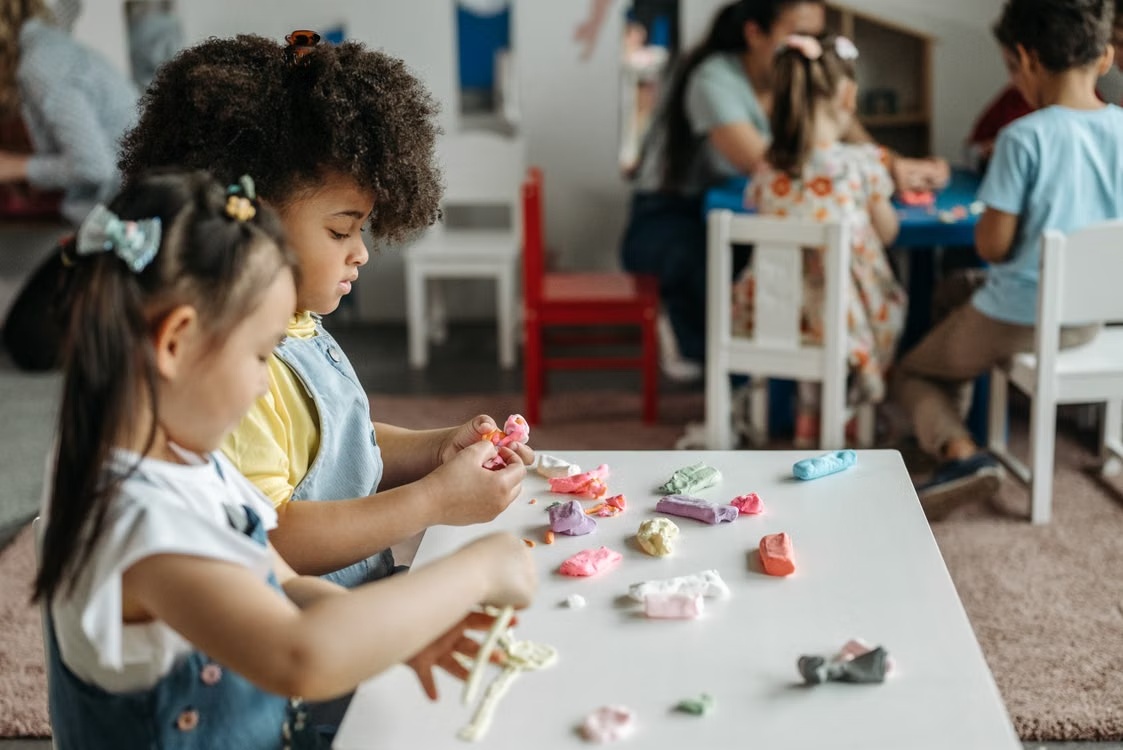
Choosing the right nursery is one of the biggest decisions you’ll make during your child’s early years. The nursery you choose will become a place where your child learns, develops friendships, gains confidence, and builds the foundations for future learning. As a parent, you naturally want an environment where your child feels happy, safe, and encouraged every day.
With several nurseries available, comparing your options can sometimes feel overwhelming. Every nursery will have its own approach, facilities, daily routine, and learning environment. Rather than focusing on one feature alone, it is helpful to consider the complete experience your child will receive.
At Goslings Nursery, children have always been at the heart of everything we do. Our aim is to provide a caring and supportive environment where every child feels comfortable, valued, and excited to learn. We encourage settling-in sessions so families can see how children are cared for, meet our experienced team, and understand how we support every child’s individual learning journey.
This guide explains the key factors parents should consider when choosing a nursery, helping you make a confident and informed decision for your family.
Why Choosing the Right Nursery Matters
The first five years of a child’s life are an important period of growth. During these years, children develop communication skills, emotional awareness, independence, creativity, and confidence. A quality nursery supports all of these areas through daily experiences and positive relationships.
Choosing a nursery is about much more than finding somewhere for your child while you work. It is about selecting a place where your child will feel secure enough to explore, ask questions, and develop new skills every day.
A good nursery should help children:
- Feel safe and welcomed
- Build confidence through everyday experiences
- Develop social and communication skills
- Learn through play and structured activities
- Prepare for the transition to school
Parents should also feel confident knowing their child is cared for by knowledgeable professionals who understand early childhood development.
Start Your Search Early
Many parents begin looking for childcare only a few months before they need a place. However, starting your search early gives you more opportunities to compare different settings and make a thoughtful decision.
Beginning your search well in advance allows you to:
- Visit more than one nursery
- Speak with nursery staff without feeling rushed
- Compare different learning environments
- Ask detailed questions
- Consider practical factors such as opening hours and daily routines
Searching early also provides time for settling-in sessions, which can help children become familiar with their new surroundings before attending regularly.
Rather than choosing the first nursery with availability, take time to explore your options carefully. Finding the right environment is an investment in your child’s future development.
Understand What Your Child Needs
Every child has a unique personality, learning style, and temperament. Before visiting nurseries, think about what environment will best support your child’s development.
Some children quickly enjoy busy group activities, while others need a little more time to build confidence in new surroundings. Some enjoy creative play, whereas others are naturally curious about books, puzzles, or outdoor exploration.
Considering your child’s individual needs will help you identify a nursery that provides the right balance of care and learning.
Ask yourself:
- Does my child enjoy social interaction?
- Would a calm, nurturing environment help them settle?
- How important are outdoor activities?
- What daily routine would suit my child?
- How much communication would I like from the nursery?
Thinking about these questions before arranging visits helps you compare nurseries more effectively.
What Makes a Quality Private Day Nursery?
Not every nursery offers the same experience. While facilities are important, the quality of care, staff, and learning environment often have a greater impact on children’s development.
A high-quality private day nursery provides children with consistency, structure, and opportunities to grow in every area of development.
Look for:
- Experienced and well-trained staff
- Safe and welcoming surroundings
- A balanced daily routine
- Healthy meals and snacks
- Strong safeguarding procedures
- Positive communication with families
- Activities that encourage learning through play
These features work together to create an environment where children feel secure and motivated to learn.
Experienced Staff Make a Difference
One of the strongest indicators of a quality nursery is the people who care for the children every day.
At Goslings Nursery, our comprehensive staff training programme ensures our team remains up to date with the latest guidance, learning programmes, first aid, and childcare practices. Continuous professional development helps staff provide high-quality care while supporting every child’s individual progress.
Experienced practitioners can recognise children’s strengths, identify when additional encouragement may be needed, and adapt activities to suit different stages of development.
A Safe and Secure Environment
Feeling safe is essential for children’s confidence and wellbeing.
Parents should look for nurseries that demonstrate:
- Strong safeguarding procedures
- Well-maintained classrooms
- Clean learning environments
- Safe outdoor play areas
- Clear supervision throughout the day
At Goslings Nursery, safeguarding is never compromised. With more than 26 years of experience, effective management systems, hygiene standards, and behaviour policies all contribute to creating a secure environment where children can thrive.
Look Beyond the Classroom
When parents visit a nursery, it is natural to notice the classrooms first. However, the overall environment tells a much bigger story about how children spend their day.
Observe whether the nursery offers different spaces for various activities. Young children benefit from environments that encourage movement, creativity, quiet reflection, and group learning.
A balanced nursery environment often includes:
- Areas for imaginative play
- Reading and storytelling spaces
- Creative activity tables
- Outdoor learning opportunities
- Comfortable areas for quiet time
Instead of asking whether the nursery has lots of equipment, consider how those resources are being used to encourage curiosity and independence.
Nutrition Is an Important Part of Childcare
Parents often focus on learning activities, but healthy nutrition also plays an essential role in early childhood development.
A nutritious diet supports children’s physical growth, concentration, energy levels, and overall wellbeing.
At Goslings Nursery, nutrition is a key part of the care we provide. All meals are healthy, balanced, and nutritious while meeting the requirements of the Early Years Foundation Stage.
Meal times also provide valuable opportunities for children to:
- Develop independence
- Learn good table manners
- Try different healthy foods
- Build social skills through conversation
A nursery that values nutrition demonstrates its commitment to supporting children’s development beyond the classroom.
Visit the Nursery and Observe Carefully
Visiting a nursery remains one of the most valuable parts of the decision-making process. Photographs and online information provide useful insights, but seeing the environment in person allows parents to understand how the nursery operates on a typical day.
Rather than focusing only on facilities, observe how children interact with staff and each other.
Pay Attention to Staff and Children
Notice whether children appear relaxed, engaged, and happy during activities.
Look for staff members who:
- Speak calmly and respectfully
- Encourage children’s curiosity
- Listen attentively
- Offer reassurance when needed
- Support independence without rushing children
These everyday interactions reveal far more than a list of services ever could.
Observe Daily Routines
Ask about the daily schedule and watch how transitions are managed between activities.
Children benefit from routines that include:
- Free play
- Adult-led learning
- Outdoor activities
- Meal and snack times
- Rest periods
- Storytelling and group activities
A nursery in Nunhead with a thoughtful daily routine is often one where children feel settled, confident, and ready to learn.
Questions Every Parent Should Ask During a Nursery Visit
A nursery visit is the perfect opportunity to gather information that cannot always be found on a website or brochure.
Ask questions such as:
- How do you help children settle into nursery?
- What does a typical day look like?
- How do you support children’s individual development?
- How do you communicate progress with parents?
- What safeguarding procedures are in place?
- How are meals planned and prepared?
- How do you encourage children’s confidence and independence?
The answers should be clear, informative, and reassuring. Staff should be happy to explain how they support children and welcome any questions you may have.
The Importance of Settling-In Sessions
Starting nursery is a significant milestone for both children and parents.
A quality private day nursery understands that every child settles differently. Some children quickly embrace new experiences, while others benefit from a gradual introduction.
At Goslings Nursery, settling-in sessions are encouraged because they help children become familiar with the nursery environment before attending regularly.
The benefits include:
- Helping children become familiar with their surroundings
- Allowing children to build trust with nursery practitioners
- Reducing separation anxiety for both children and parents
- Giving parents confidence in the nursery’s approach to care
- Supporting a smoother transition into daily nursery life
Look for a Nursery That Supports Every Area of Development
Early years education is about much more than preparing children to recognise letters and numbers.
Communication and Language
Children build vocabulary and confidence through stories, songs, conversations, and group activities. Practitioners encourage children to express themselves, ask questions, and develop listening skills.
Physical Development
Physical activity is an important part of every nursery day. Indoor and outdoor play helps children develop balance, coordination, strength, and fine motor skills while encouraging healthy habits.
Personal, Social and Emotional Development
Learning how to share, cooperate, solve problems, and manage emotions is just as important as academic learning.
Creative Learning
Creative activities allow children to explore their imagination while developing problem-solving skills and self-expression. Art, music, storytelling, and imaginative play all contribute to a stimulating learning environment.
Communication Between Parents and Nursery Matters
Choosing a nursery is not simply about selecting a childcare provider. It is about building a partnership that supports your child’s development.
Good communication helps parents:
- Understand their child’s progress
- Share important information about routines or changes at home
- Celebrate new achievements
- Raise questions or concerns quickly
- Feel involved in their child’s learning journey
At Goslings Nursery, we welcome parents to come and look around the nursery so they can see our commitment to children’s learning and wellbeing for themselves.
Experience and Trust Should Give You Confidence
When searching for nurseries, experience is often one of the strongest indicators of quality.
At Goslings Nursery, our team benefits from comprehensive training to ensure everyone remains up to date with the latest guidance, childcare techniques, learning programmes, and first aid requirements.
Alongside experience, trust is equally important. Our safeguarding policy is never compromised, and strong management systems help maintain high standards of hygiene, behaviour, and daily care. We also work in partnership with local schools to help prepare children for the next stage of their education.
Consider the Nursery’s Values, Not Just Its Facilities
Modern classrooms and attractive play equipment are certainly appealing, but they should not be the only factors influencing your decision.
When visiting a nursery, consider whether it demonstrates values such as:
- Respect for every child as an individual
- A nurturing and welcoming atmosphere
- Encouragement of curiosity and independence
- Positive relationships between staff, children, and families
- A genuine commitment to children’s wellbeing
At Goslings Nursery, our promise is reflected in the relationships we build with children and parents.
Why Families Choose Goslings Nursery
Every family has different priorities when choosing childcare. However, many parents are looking for the same core qualities: safety, trust, experienced practitioners, and an environment where children can flourish.
Families choose our nursery because we offer:
- A caring and welcoming environment
- Settling-in sessions that help children adjust with confidence
- Healthy, balanced meals that meet Early Years Foundation Stage requirements
- Experienced practitioners who receive ongoing professional training
- A strong safeguarding culture
- More than 26 years of experience
- Positive partnerships with local schools
- A genuine commitment to every child’s wellbeing, learning, and happiness
Final Checklist Before Choosing a Nursery
Before making your final decision, ask yourself:
- Did the nursery feel welcoming and child-focused?
- Were staff friendly, knowledgeable, and approachable?
- Did children appear happy, engaged, and confident?
- Was the environment clean, safe, and well organised?
- Did the daily routine support learning and wellbeing?
- Was there a clear commitment to safeguarding?
- Did the nursery communicate openly with parents?
- Could you imagine your child feeling happy there?
Conclusion
Finding the right nursery is about choosing an environment where your child will feel safe, valued, and inspired to learn. While every family’s needs are different, taking the time to visit nurseries, ask meaningful questions, and understand each setting’s approach will help you make a confident decision.
At Goslings Nursery, we are committed to creating a nurturing environment where children can thrive. Through experienced practitioners, strong safeguarding, healthy nutrition, settling-in sessions, and a genuine passion for early years education, we support every child as they grow in confidence, develop new skills, and prepare for the future.
If you are looking for a trusted nursery, we invite you to visit Goslings Nursery, meet our dedicated team, and discover how we can support your child’s early learning journey in a caring and welcoming environment.
Frequently Asked Questions
1. How early should I start looking for a nursery?
It is advisable to begin your search several months before you need childcare. Starting early gives you time to visit different nurseries, compare options, and secure a place if demand is high.
2. What should I look for during a nursery visit?
Observe how staff interact with children, the cleanliness of the environment, safeguarding practices, daily routines, learning activities, and the overall atmosphere.
3. Why are settling-in sessions important?
Settling-in sessions help children become familiar with the nursery, build relationships with staff, and adjust gradually, making the transition more comfortable for everyone.
4. How important is nutrition in a nursery?
Healthy, balanced meals support children’s physical development, concentration, and overall wellbeing. Good nutrition is an essential part of quality childcare.
5. What makes a private day nursery different?
A private day nursery typically offers structured childcare, experienced practitioners, and a carefully planned learning environment that supports children’s development throughout the day.
6. How can I tell if a nursery is right for my child?
The right nursery will make both you and your child feel comfortable. Look for a welcoming environment, experienced staff, clear communication, and a genuine commitment to children’s happiness and development.