

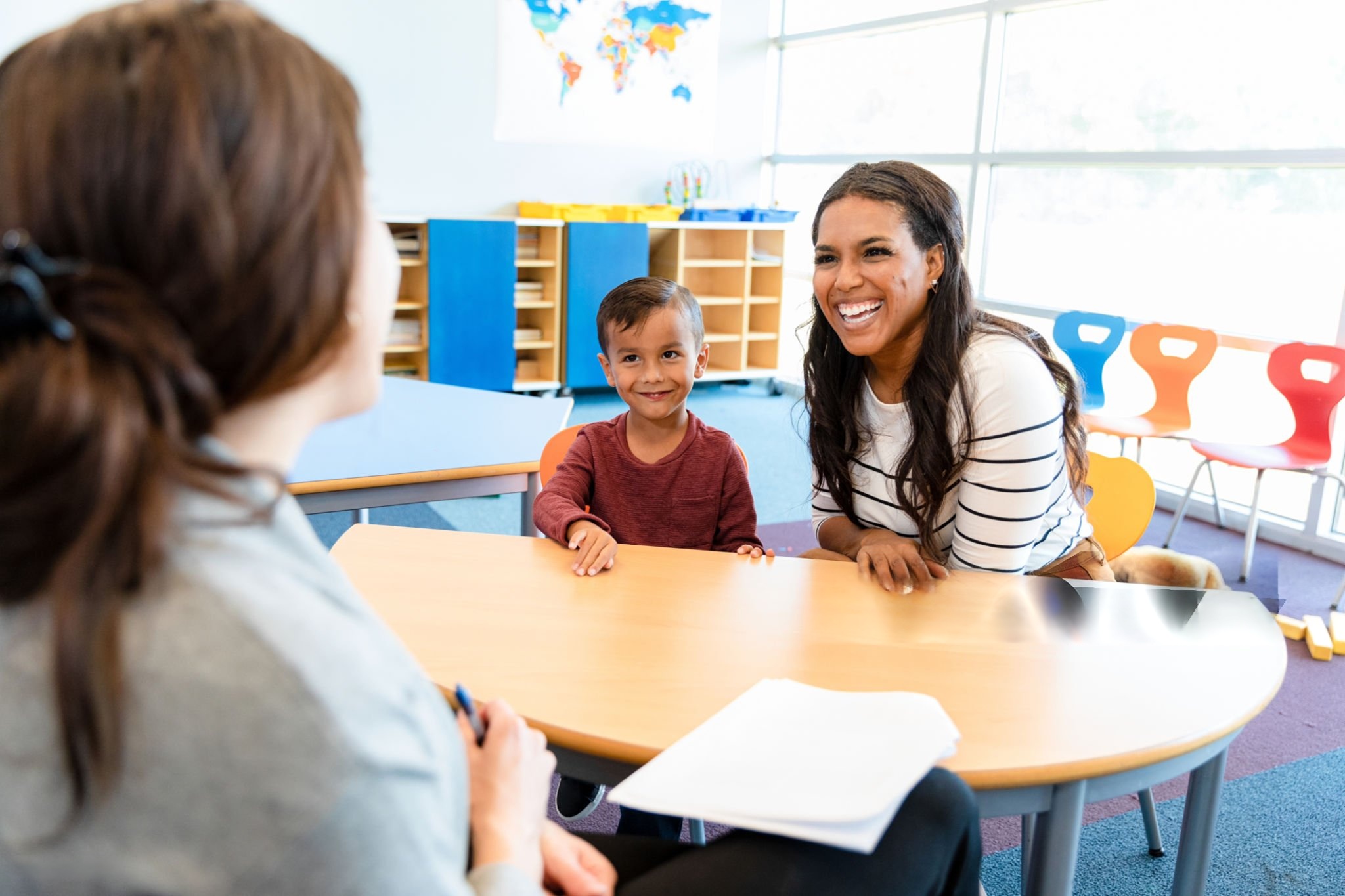
Effective parent communication nursery London settings rely on is more than a courtesy, it is a foundation for trust, child development, and long-term success. From daily conversations to structured nursery reports and regular feedback meetings, open communication helps children feel secure, parents stay informed, and nursery teams deliver consistent care.
At Goslings Nursery, communication is viewed as a partnership. When parents and early years professionals work together, children benefit emotionally, socially, and academically. In a busy city like London, where families balance demanding schedules, transparent and reliable communication becomes even more important.
This article explores why communication between parents and nurseries matters, how it supports early childhood development, and what best practices help create strong, lasting relationships between families and nurseries.
Why Parent Communication Matters in Early Years Education
The early years are a critical period in a child’s life. During this time, children develop language skills, emotional resilience, and social awareness. Strong communication between parents and nurseries ensures that learning continues seamlessly between home and the nursery environment.
When parent communication nursery London providers prioritise clarity and openness, parents gain confidence in the care their child receives. At the same time, nursery practitioners gain valuable insight into each child’s routines, preferences, and emotional needs.
This two-way exchange supports consistency. For example, knowing how a child slept or felt at home can help nursery staff adjust their approach during the day. Likewise, parent updates nursery teams provide help families understand how their child is progressing.
Building Trust Between Parents and Nursery Staff
Trust is the foundation of every successful nursery–parent relationship. When communication is open, consistent, and honest, parents feel confident leaving their child in nursery care. Strong trust also allows nursery staff to work more effectively with families to support each child’s individual needs.
Trust Starts With Transparency
Trust does not happen automatically, it grows through honest, consistent communication. Parents need to feel reassured that their child is safe, happy, and supported. Regular updates and open conversations help remove uncertainty and build confidence.
Clear communication also helps manage expectations. Parents understand routines, learning goals, and nursery policies, while staff can explain how children are supported throughout the day.
The Role of Daily Communication
Daily interactions, whether at drop-off or collection, play a vital role. Even brief conversations can provide reassurance and strengthen relationships. Sharing small achievements or observations helps parents feel connected to their child’s nursery experience.
At Goslings Nursery, these everyday interactions support Goslings family engagement, helping parents feel welcomed and involved.
How Communication Supports Child Development
Clear communication between parents and nursery staff plays a direct role in a child’s emotional, social, and cognitive development. Sharing information ensures that children experience consistency between home and nursery, which helps them feel secure and supported.
Emotional Well-Being and Security
Children thrive when they feel secure. When parents and nursery staff communicate effectively, children experience consistency between home and nursery. This reduces anxiety and supports emotional stability.
For example, if a child is going through a developmental milestone or emotional phase, shared awareness allows both home and nursery to respond sensitively.
Supporting Learning and Progress
Communication also enhances learning outcomes. Nursery reports and parent updates nursery teams provide allow families to understand what children are learning and how to support that learning at home.
When parents reinforce activities introduced at nursery, children gain confidence and strengthen their skills naturally.
Different Types of Parent Updates in Nurseries
Parent updates in nursery settings help families stay informed about their child’s daily experiences and long-term progress. These updates take many forms and are essential for maintaining strong parent communication in nursery London environments.
Daily Verbal Updates
Short daily updates are often the most immediate and reassuring form of communication. They may include information about meals, naps, mood, and activities. These updates help parents stay connected, even on busy days.
Written Nursery Reports
Structured nursery reports offer a deeper insight into a child’s development over time. These reports often cover learning milestones, social development, and areas of growth.
Written reports allow parents to reflect, ask questions, and celebrate progress with their child.
Digital Communication Tools
Many London nurseries use digital platforms to share updates, photos, and messages. These tools provide flexibility and convenience, particularly for working parents.
Used correctly, digital communication complements face-to-face interaction rather than replacing it.
The Importance of Feedback Meetings
Feedback meetings create dedicated time for meaningful conversations between parents and nursery professionals. These structured discussions allow both sides to reflect, ask questions, and work together to support a child’s development.
What Are Feedback Meetings?
Feedback meetings are scheduled discussions between parents and nursery staff. They provide an opportunity to review progress, discuss concerns, and set shared goals.
These meetings support meaningful dialogue and ensure that both parties feel heard.
Why Feedback Meetings Matter
Feedback meetings allow for deeper conversations that may not be possible during busy drop-off times. Parents can ask questions, while staff can provide detailed insights into development and learning.
They also reinforce partnership. When parents feel involved in decision-making, trust and engagement grow stronger.
Encouraging Two-Way Communication
Effective parent communication in nursery settings is always a two-way process. While regular updates are important, listening to parents’ insights and experiences is equally valuable for providing personalised care.
Listening as Well as Sharing
Effective communication is not just about providing information, it is about listening. Parents bring valuable knowledge about their child’s personality, routines, and needs.
Nurseries that actively listen can tailor care more effectively, creating a nurturing environment for every child.
Creating a Welcoming Environment
A welcoming atmosphere encourages parents to speak openly. Friendly staff, clear communication channels, and approachable leadership all contribute to stronger relationships.
This approach is central to Goslings family engagement, where families are viewed as partners rather than observers.
Communication During Transitions and Changes
Transitions are a natural part of early childhood, and clear communication helps make these changes smoother for children and parents. Whether starting nursery or moving to a new room, shared understanding reduces uncertainty and builds confidence.
Starting Nursery
The transition into nursery is a significant moment for both children and parents. Clear communication during this phase helps reduce anxiety and build confidence.
Sharing settling-in plans, daily routines, and expectations allows families to feel prepared and supported.
Moving Rooms or Preparing for School
As children grow, transitions continue. Whether moving to a new room or preparing for school, ongoing communication ensures continuity and reassurance.
Nursery reports and feedback meetings become particularly valuable during these periods.
Addressing Concerns Through Open Communication
Concerns are easier to resolve when they are discussed early and openly. A supportive communication approach helps parents feel comfortable raising questions while allowing nursery staff to respond proactively.
Resolving Issues Early
Open communication helps address concerns before they escalate. Parents feel more comfortable raising questions when they trust the nursery’s approach.
Early discussions lead to collaborative solutions, benefiting everyone involved.
Supporting Individual Needs
Every child is unique. Communication helps nurseries adapt care to suit individual needs, whether related to learning styles, emotional development, or routines.
This personalised approach strengthens the child’s experience and reassures parents.
The Role of Communication in Safeguarding
Safeguarding relies heavily on clear and timely communication. Sharing information appropriately ensures children’s safety and well-being.
Parents must feel confident that any concerns will be handled professionally and transparently. Nurseries, in turn, rely on parental insights to provide the best possible care.
How Goslings Nursery Supports Strong Family Engagement
At Goslings Nursery, communication is woven into daily practice. Through consistent parent updates nursery teams provide, structured nursery reports, and meaningful feedback meetings, families remain actively involved in their child’s journey.
This commitment to Goslings family engagement reflects the belief that children thrive when parents and educators work together.
By maintaining open communication channels, Goslings Nursery creates a supportive environment where trust, understanding, and collaboration flourish.
Best Practices for Parents to Stay Engaged
Active parental involvement strengthens the partnership between families and nurseries. By staying informed and engaged, parents can better support their child’s learning and emotional well-being.
Be Open and Proactive
Sharing information about your child helps nursery staff provide tailored care. Small details can make a big difference.
Ask Questions
No question is too small. Open dialogue strengthens relationships and builds understanding.
Participate in Feedback Meetings
Feedback meetings provide valuable insights and allow for shared goal-setting. Attending these meetings reinforces partnership.
Best Practices for Nurseries to Improve Communication
Nurseries play a key role in setting the tone for positive communication. Clear systems, approachable staff, and consistent updates help maintain strong relationships with families.
Keep Communication Clear and Consistent
Regular updates prevent misunderstandings and keep parents informed.
Use Simple Language
Clear, straightforward language ensures messages are understood by everyone.
Encourage Feedback
Inviting parent feedback demonstrates respect and openness.
Conclusion
Strong parent communication nursery London environments depend on partnership. When parents and nurseries communicate openly, children benefit the most.
From daily parent updates nursery teams provide to detailed nursery reports and structured feedback meetings, every interaction strengthens trust and supports development.
At Goslings Nursery, communication is not an afterthought, it is a priority that underpins high-quality care and meaningful Goslings family engagement.
If you are looking for a nursery in London that values open communication and family partnership, explore Goslings Nursery today. Contact our team to learn how we support parents and children every step of the way.
Frequently Asked Questions
1. Why is parent communication important in nurseries?
It builds trust, supports development, and ensures consistency between home and nursery.
2. How often should parents receive updates from a nursery?
Daily updates and regular reports help parents stay informed and engaged.
3. What are nursery reports?
Nursery reports are written summaries of a child’s progress, learning, and development.
4. What happens during feedback meetings?
Parents and staff discuss progress, address concerns, and set shared goals.
5. How does communication help child development?
It ensures emotional security, consistent learning, and personalised care.