
Language development nursery London focuses on nurturing communication skills in the crucial early years of a child’s life. Children begin learning to speak, express their emotions, and communicate with others from the moment they are born. As they grow, their language skills rapidly evolve, with specific milestones marking key achievements in their development. Understanding these milestones is vital for parents and caregivers to provide the necessary support at each stage.
At Goslings Nursery, fostering early speech development is a top priority. Our professional staff uses proven techniques such as toddler speech support, communication EYFS, reading aloud nursery routines, and language play for children to help each child develop at their own pace.
We will explore the language development milestones from birth to five years, how nurseries like Goslings Nursery play a critical role in supporting speech and language skills, and how parents can complement these efforts at home.
Why Language Development is Crucial in Early Childhood
Language is one of the most important tools children have for expressing themselves, forming relationships, and learning about the world around them. Early language skills influence social, emotional, and cognitive development, helping children form bonds with peers, caregivers, and teachers. Studies show that children with strong language skills have better chances of academic success later in life.
In nurseries, language development is a cornerstone of the curriculum. Early years educators ensure that children’s needs are met through structured activities and spontaneous interactions designed to boost speech development. By observing and supporting toddler speech support milestones, nurseries can help guide children through their individual language journeys.
Language Development Milestones from Birth to Five Years
Language development follows a predictable pattern, with distinct milestones marking the growth of speech and communication. Understanding these milestones helps guide both parents and nurseries in supporting each child’s development.
0–6 Months: Early Communication Through Sounds
At this stage, babies begin by communicating through cries, coos, and gurgles. While babies can’t speak yet, they are already absorbing the sounds of language. They learn to differentiate between different tones and start responding to sounds in their environment.
6–12 Months: The Babbling Stage
Around 6 months, babies start to babble, using a variety of sounds and syllables like “ba-ba,” “da-da,” and “ma-ma.” Though they may not yet understand the meaning of these words, they are starting to practice the basic building blocks of speech.
12–18 Months: First Words and Increased Receptive Language
By the time children are 12 months old, many will have their first words. Simple words such as “mama” or “dada” might emerge, and children begin to understand a few simple commands like “come here” or “give me.” This is an exciting time, and early toddler speech support becomes important to help them expand their vocabulary.
18–24 Months: Vocabulary Explosion
At this stage, toddlers experience what is called a “vocabulary explosion.” They rapidly learn new words and can start to combine two words to form simple phrases like “more juice” or “big truck.” This is where language development nursery London programs really shine, as activities like reading aloud nursery and language play for children help to support their growing vocabulary.
2–3 Years: More Complex Sentences
Children between 2 and 3 years begin using more complex sentences. They start combining three or more words into simple sentences, such as “I want cookie” or “Daddy go work.” At this stage, children also begin to understand and use pronouns and basic grammar, such as plurals and tenses.
3–4 Years: Expanding Vocabulary and Grammar Skills
As children near age 4, their speech becomes more sophisticated. They are learning to ask questions and describe things with more detail. For example, they may say, “I want to play with the red ball” or “Can I go outside?” During this time, communication EYFS becomes essential as nurseries encourage children to express themselves more clearly, develop their sentence structures, and use language for a variety of purposes.
4–5 Years: Fluent Speech and Storytelling
By the time children reach 4 to 5 years old, they are typically speaking fluently and can engage in more complex conversations. They can tell simple stories, use more descriptive language, and understand more abstract concepts. Their language is becoming more accurate in terms of grammar and vocabulary, and they are ready to start formal education in literacy skills, which prepares them for school.
How Goslings Nursery Supports Language Development
At Goslings Nursery, we understand the critical role early speech development plays in a child’s overall growth. Our approach incorporates language development nursery London principles to create an environment where children can thrive linguistically. Find out why choose Goslings Nursery as our staff are trained to support children through each stage using engaging and developmentally appropriate activities.
Reading Aloud Nursery: Building a Foundation for Speech
One of the most powerful ways to support language development in young children is through reading aloud nursery routines. Reading stories to children not only exposes them to new words and concepts but also helps them understand the rhythm and flow of language.
Our educators read aloud daily, using expressive voices and asking children questions about the stories to stimulate their thinking and communication skills. This practice not only increases vocabulary but also enhances listening skills, comprehension, and a love of reading.
Language Play for Children: Encouraging Creativity Through Speech
Language play for children is a vital aspect of supporting early speech development. At Goslings Nursery, we create opportunities for language play by encouraging children to engage in imaginative activities like pretend play, singing songs, and rhyming games. These activities stimulate speech production, introduce new vocabulary, and help children practice language in a fun, low-pressure way.
For example, we might have children pretend to run a shop, using words related to selling, buying, and bargaining. These activities help children experiment with language in a social context, providing them with valuable practice in communication.
Toddler Speech Support: Personalized Interaction
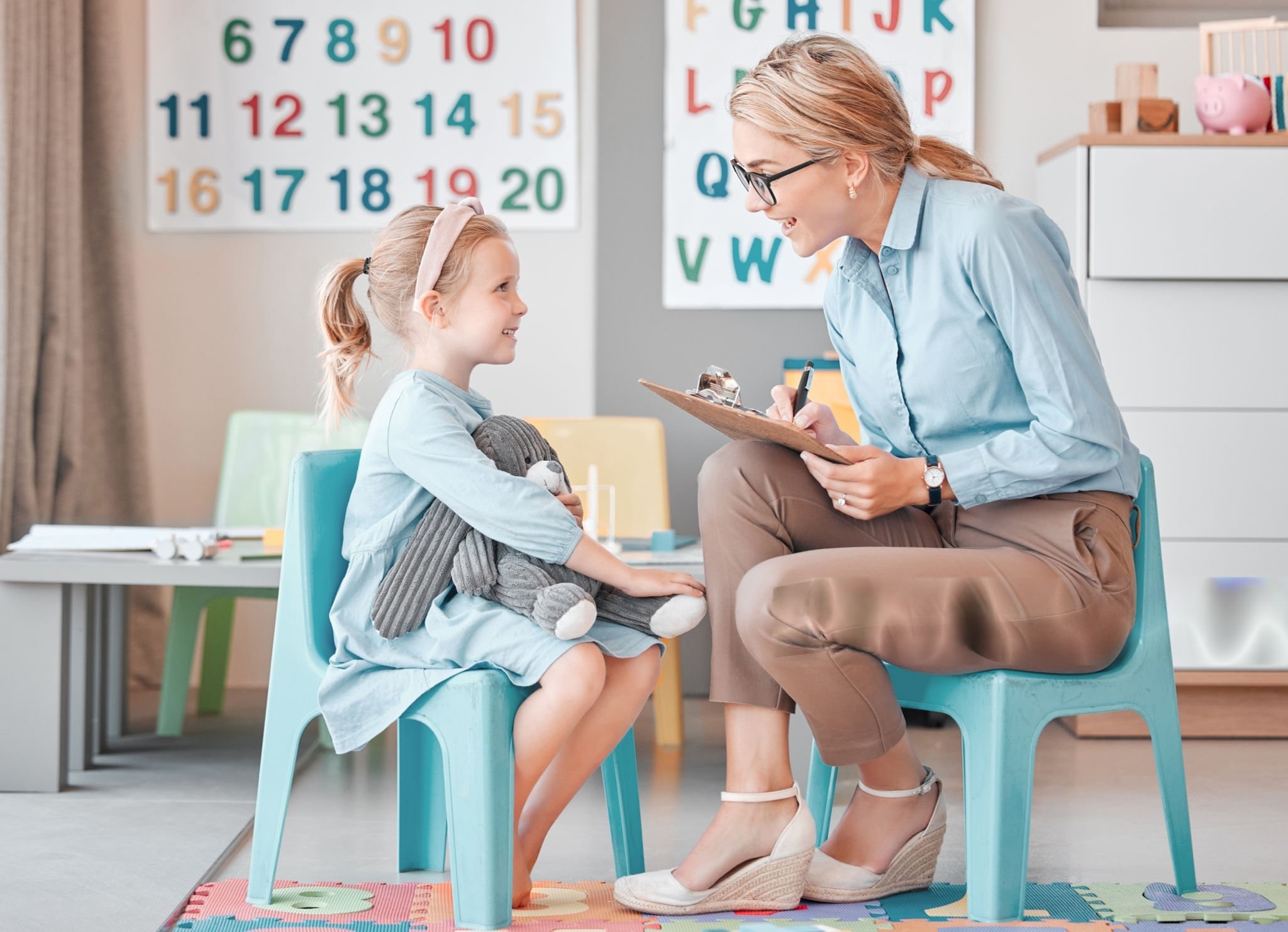
Children at different stages of speech development need different types of support. Our staff are trained to provide toddler speech support by interacting with children in ways that encourage verbal expression. This may include modeling correct pronunciation, expanding on what a child says (e.g., if a child says “doggy,” the adult might say, “Yes, that’s a big, brown doggy”), or providing additional vocabulary and context.
Communication EYFS: Fostering Connection and Expression
At Goslings Nursery, we adhere to communication EYFS guidelines, which focus on promoting language development across all areas of learning. We create environments where children feel safe to express themselves, ask questions, and engage with others. These early communication skills form the foundation for future learning and social interaction.
How Parents Can Support Language Development at Home
Parents play a crucial role in supporting their child’s speech and language development. Here are some simple but effective strategies parents can use at home:
1. Talk to Your Child
Engage in regular conversations with your child, even if they are not speaking in full sentences yet. Describe what you’re doing, what they’re doing, and the things around them. The more language they hear, the more they will absorb.
2. Read Together Every Day
Make reading a daily habit. Choose books with colorful pictures and simple text. Ask questions about the story and encourage your child to talk about what they see.
3. Play with Words
Incorporate games that promote language skills, such as rhyming games, singing songs, or playing with simple words and sounds.
4. Be Patient and Encouraging
Every child develops at their own pace. Celebrate their progress, whether they say a new word or form a sentence for the first time. Be patient and provide positive reinforcement to help them build confidence in their communication skills.
Conclusion
Language development is one of the most important aspects of early childhood development. By understanding language development nursery London milestones and providing toddler speech support and communication EYFS opportunities, nurseries like Goslings Nursery play a vital role in supporting children’s growth. Through reading aloud nursery routines, language play for children, and personalized interaction, we ensure that every child’s language skills are nurtured and celebrated.
Parents, too, play a key role in supporting language development at home. Together, we can provide the encouragement and support needed for every child to reach their full potential. For more information about how Goslings Nursery supports early speech and language development, contact us now.
Frequently Asked Questions
1. What are the key milestones in early language development?
Key milestones include babbling at 6 months, first words at 12 months, vocabulary explosion at 18–24 months, and using simple sentences by age 3.
2. How does reading aloud support language development?
Reading aloud introduces new vocabulary, improves listening skills, and helps children understand the structure of language, boosting their communication skills.
3. What is language play, and why is it important?
Language play involves fun activities like rhyming and pretend play that help children practice language in creative ways, enhancing vocabulary and grammar.
4. How does Goslings Nursery support language development?
Goslings Nursery supports language development through daily reading, language play, personalized speech support, and following communication EYFS guidelines.
5. Can parents help with language development at home?
Yes, parents can help by talking to their child, reading together, playing word games, and providing positive reinforcement for speech development.